Ngopi Maseh: A Natural Handwritten Font for Branding
I remember the moment clearly. I was staring at a blank artboard in my design software, coffee in hand, trying to crack the visual identity for a new local artisanal bakery. The client wanted something that felt warm, approachable, and distinctly human—nothing too corporate or rigid. I scrolled through my library of Script Handwritten typefaces, looking for that perfect balance between casual charm and professional legibility. That is when I pulled up Ngopi Maseh.
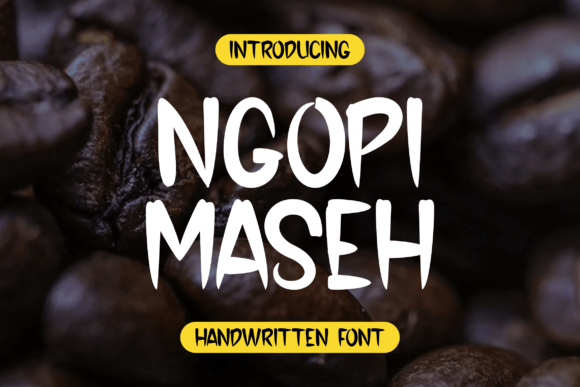
From the first keystroke, the difference was obvious. Unlike many digital scripts that feel stiff or overly uniform, Ngopi Maseh has a rhythm that mimics actual handwriting. The strokes vary naturally, giving it an authentic feel that instantly softened the stark white background of my mockup. For designers who spend hours tweaking kerning and ligatures to make a font look "real," this handwritten font does much of the heavy lifting for you. It feels like someone just picked up a pen and wrote your brand name with genuine care.
Why Authenticity Matters in Modern Typography
In today’s saturated market, consumers are drawn to brands that feel personal. Whether you are designing for a skincare line, a boutique hotel, or a creative studio, the typography you choose sets the emotional tone before the customer even reads the content. Ngopi Maseh excels here because it carries a mood of relaxed confidence. It is not shouting for attention; instead, it invites the viewer in.
When I placed the bakery’s name using this typeface, it didn’t look like a logo generated by a template. It looked like a signature. This level of authenticity is crucial for brand identity projects where trust and connection are paramount. The font’s casual nature makes it perfect for personal notes, invitations, and any creative project where you want to avoid the coldness of standard geometric sans serifs.
Putting Ngopi Maseh to Work in Real Design Scenarios
Testing a new font requires more than just typing out the alphabet. I needed to see how Ngopi Maseh performed across various mediums. Here is how it held up in my recent workflow:
- Logo Design: As a primary logotype, it shines. The unique style gives it a memorable character. I used it for the main brand mark, ensuring the spacing allowed the letters to breathe. It works exceptionally well as a display font for short brand names.
- Packaging Design: I applied it to label stickers for the bakery’s cookie jars. On a small scale, the thicker strokes remained visible, while the thinner connectors added elegance. It transformed a simple glass jar into a premium, gift-worthy item.
- Social Media Graphics: For Instagram posts announcing daily specials, Ngopi Maseh acted as a perfect headline font. Paired with a clean photo of a croissant, the text felt organic and integrated, rather than slapped on top.
- Printed Marketing Materials: On business cards and flyers, it served as an excellent accent font. I used it for the tagline and contact details, creating a visual hierarchy that guided the eye from the bold sans serif header down to the personal touch of the script.
The versatility of Ngopi Maseh lies in its ability to function as both a standalone star and a supporting player. It is not just a decorative element; it is a functional tool for enhancing visual hierarchy and audience engagement.
Pairing Strategies for a Balanced Layout
One of the most common mistakes designers make with script fonts is pairing them with other decorative typefaces, which leads to visual clutter. When working with Ngopi Maseh, I found that contrast is key. Because the font has a flowing, organic structure, it pairs beautifully with structured, modern typography.
For the bakery project, I paired it with a minimalist sans serif font. The clean lines of the sans serif grounded the whimsical nature of the script, creating a balanced and professional look. Alternatively, if you are aiming for a more vintage or editorial vibe, a classic serif font can complement the handwritten aesthetic, adding a layer of sophistication suitable for editorial design or high-end product labels.
If you are using Ngopi Maseh for web design, consider using it for hero headers or call-to-action buttons. Its readability is strong enough for short phrases, but I would advise against using it for long body text. Let it shine as a display font where its personality can be fully appreciated without straining the reader’s eyes.
Practical Tips for Using Ngopi Maseh in Client Work
Before finalizing any commercial font in a brand system, I always run a few checks. Here is my practical advice for getting the most out of Ngopi Maseh:
- Check the Alternates: Many premium handwritten fonts include alternate characters to prevent repetition. If Ngopi Maseh includes alternates or ligatures, use them! Swapping out repeated letters (like two 'a's or 't's) makes the text look even more natural and less digital.
- Mind the Spacing: Handwritten fonts often need slightly more tracking than standard typefaces. Give the letters room to flow. Cramped spacing can kill the casual vibe and make the text hard to read.
- Test on Different Backgrounds: I tested the font on kraft paper, white cardstock, and dark social media backgrounds. Ngopi Maseh maintained its integrity across these surfaces, but ensure you have the right file formats (such as OTF or TTF) to handle color profiles correctly for print versus screen.
- Verify Licensing: Always check the commercial font licensing terms. Whether you are designing for a client’s merchandise, digital templates, or a large-scale ad campaign, ensuring you have the correct license protects both you and your client.
Elevating Your Design Assets with Character
Ultimately, choosing a font is about storytelling. Ngopi Maseh tells a story of warmth, creativity, and human connection. It is an ideal choice for entrepreneurs and small business owners who want their brand to feel accessible and friendly. From product labels to website headers, it adds a layer of personality that sterile fonts simply cannot match.
As a designer, having a reliable creative font like this in your toolkit saves time and elevates the quality of your output. It allows you to move quickly from concept to execution without sacrificing style. Whether you are crafting a logo design for a new startup or adding a personal touch to social media graphics, Ngopi Maseh offers the perfect blend of casual flair and professional polish.
If you are looking to inject some soul into your next project, give this handwritten font a try. It might just become your go-to for any brand that values authenticity and heart. After all, in a world of automated designs, a little bit of human touch goes a long way.